Where Will the Bellbird Sing, if Not on the Harakeke? Kaitiakitanga (Guardianship, Custodianship, and Protection) in Te Ao Māori

  • Où chantera le korimako, si ce n’est sur la pousse de harakeke ? Kaitiakitanga (tutelle, sauvegarde, et protection) dans le monde māori
  • ¿Dónde cantará el korimako, si no es en el brote de harakeke? Kaitiakitanga (tutor, salvaguardia, y protección) en el mundo maorí

DOI : 10.35562/textures.1357

This article considers the ancestral ties that bind the Māori, Tangata Whenua (the Indigenous people of Aotearoa New Zealand), to an emblematic plant, named harakeke in Te Reo Māori (the Māori language), also known as New Zealand Flax or Phormium tenax. Through the presentation of key concepts from the Māori world, such as kaitiakitanga (guardianship, custodianship, and protection) of taonga (Māori ancestral treasures) and whanaungatanga (Māori kinship ties and the art of relationships), we address the need for greater understanding, consideration and respect for Indigenous knowledge systems and practices, particularly within the museum world. Behind this lies not only our gratitude to the harakeke and its many kaitiaki (guardians) – humans, birds, insects, plants, taonga, winds, rivers, and rain – both here in Aotearoa New Zealand and overseas – but also the importance of the ancestral connections between Tangata Whenua (the Indigenous people of Aotearoa New Zealand) and harakeke. We also recognize the interconnected relationships that are fostered and sustained across generations, time, and places in alignment with the Hūtia waiata (song) at the heart of our article’s title. “Where will the Bellbird Sing? Kei hea te kōmako e kō?” is also an homage to the work of Dame Anne Salmond and refers to one of her Discussion Paper dated June 2022. Titled “Where Will the Bellbird Sing? Te Tiriti o Waitangi and ‘Race’,” this work aligns with our collective engagement with Toitū Te Tiriti. It calls on the New Zealand government to honor Te Tiriti o Waitangi and ensure its endurance for future generations, in order to protect and nurture the many entities that make up Te Ao Māori (the Māori world), such as birds, plants, mountains, and rivers.

Cet article s’intéresse aux liens ancestraux qui unissent les Māori, Tangata Whenua (peuple autochtone de Nouvelle-Zélande Aotearoa), à une plante emblématique, le harakeke, aussi connue sous le nom de lin de Nouvelle-Zélande ou Phormium tenax. À travers la présentation de concepts clés du monde māori, tels que la kaitiakitanga (sauvegarde, tutelle, et protection) des taonga (trésors ancestraux māori) et la whanaungatanga (l’art relationnel et les liens de parenté māori), nous interrogeons la nécessité d’une meilleure compréhension, associée à une réelle considération des systèmes de savoirs et de pratiques autochtones, en particulier dans le monde muséal. En toile de fond, s’exprime non seulement notre gratitude à l’égard du harakeke et de ses nombreux kaitiaki (gardien·nes) – humain·es, oiseaux, insectes, plantes, taonga, vents, rivières, et pluie – tant ici, en Nouvelle-Zélande Aotearoa, qu’à l’étranger, mais aussi l’importance des relations qui lient les différentes entités qui composent Te Ao Māori (le monde māori). Nourries et entretenues de génération en génération, dans le temps et dans l’espace, par de multiples kaitiaki (gardien·nes), ces relations sont, du point de vue māori, essentielles pour le bien-être de toutes et de tous, comme l’illustre le waiata (chant) intitulé « Hūtia » à l’origine du titre de notre article. « Où chantera le korimako ? Kei hea te kōmako e kō? » renvoie aussi aux travaux de Dame Anne Salmond et à l’une de ses conférences, intitulée : « Where Will the Bellbird Sing? Te Tiriti o Waitangi and ‘Race’ ». Cet hommage s’aligne avec notre engagement collectif pour la défense de Te Tiriti o Waitangi et enjoint le gouvernement néo-zélandais à honorer et à garantir sa pérennité pour les générations futures, afin de protéger et de faire prospérer les nombreuses entités qui composent Te Ao Māori, telles que les oiseaux, les plantes, les montagnes, et les rivières.

Este artículo se interesa por los lazos ancestrales qui unen a los maoríes, Tangata Whenua (pueblo autóctono de Aotearoa Nueva Zelanda), a una planta emblemática, el harakeke, también conocida como lino de Nueva Zelanda o Phormium tenax. A través de la presentación de conceptos claves del mundo maorí, tales como la kaitiakitanga (salvaguardia, tutela y protección) de los taonga (tesoros ancestrales maoríes) y el whanaungatanga (el arte relacional y los lazos de parentela maorí), interrogamos la necesidad de una mejor comprensión, asociada a una consideración real de los sistemas de saber y de las prácticas autóctonas, en particular en el mundo museístico. En definitiva, expresamos no sólo nuestra gratitud hacia el harakeke y sus numerosos kaitiaki (guardianes /-nas humanos /-nas, pájaros, insectos, plantas, taonga, vientos, ríos y lluvia tanto aquí, en Aotearoa-Nueva Zelanda, como en el extranjero, pero también la importancia de las relaciones que enlazan las diferentes entidades que componen Te Ao Māori (el mundo maorí). Nutridas y mantenidas generación tras generación, en el tiempo y el espacio, por múltiples kaitiaki (guardianes /-nas), estas relaciones son, desde el punto de vista maorí, esenciales para el bienestar de todas y todos, como lo ilustra el waiata (canto) titulado « Hūtia » que origina el título de nuestro artículo. «¿Dónde cantará el korimako, si no es en el brote de harakeke? Kei hea te kōmako e kō?» se interconecta también con las obras de Dame Anne Salmond y una de sus conferencias, titulada: «Where Will the Bellbird Sing? Te Tiriti o Waitangi and ‘Race’». Este homenaje se integra a nuestro compromiso colectivo a favor de la defensa de Te Tiriti o Waitangi e insta al Gobierno neozelandés honorar y garantizar su perennidad para las generaciones futuras y hacer prosperar las numerosas entidades que componen Te Ao Māori, tales como los pájaros, las plantas, las montañas y los ríos.

Outline

Author's notes

This article was first published in its French version as “Sans la pousse de harakeke, où chantera le korimako ? Kaitiakitanga (sauvegarde, tutelle et protection) dans le monde māori,” in Recherches & éducations, No. 30-31, Nouveaux cosmos ?, 2026, pp. 1-16, DOI: https://doi.org/10.4000/14l97.
In this article, originally written in New Zealand English, we have chosen not to italicize Māori names. Ideally, we would have preferred not to italicize any Māori words, but we had to work within the author’s guidelines, based on American English. To learn more about decolonizing academic writing, see Alice Te Punga Somerville, Always Italicise: How to Write While Colonised, Auckland, Auckland University Press, 2022.

Text

Introduction

Home of the Māori people – who are Tangata Whenua (Indigenous people of the land) – Aotearoa New Zealand is located in the southernmost part of Te-Moana-nui-a-Kiwa (the Pacific Ocean). Over time, its people have traveled from and maintained strong ties with other Pacific nations, including the Cook Islands, Society Islands, Tahiti, Austral Islands, Marquesas Islands, Tuamotu Archipelago, Tonga, Samoa, Fiji, Tuvalu, Tokelau, Niue, Hawai’i and others.1

Within Māori ontology, the entities that make up the world – ancestors, humans, mountains, plants, birds, ancestral treasures, etc. – are associated with each other in a relational and genealogical sense. They all share the same origin and are part of a genealogical continuity that links them to the primordial ancestors who gave birth to the world: Papatūānuku, the Earth Mother, and Ranginui, the Sky Father.2

In ceremonial contexts, this continuity is invoked by mentioning the names of key ancestors through an elaborate art of oratory channeling taonga tuku iho3 (revered cultural practices, cultural treasures, Māori ancestral treasures, i.e. treasured ancestral belongings) as uplifter, aid, and support.4

The kaitiakitanga (guardianship, custodianship), i.e. the care, protection and nurturing of taonga tuku iho such as whatu (weaving) or raranga (basketry), are therefore the subject of diligent care, knowledge, values, skills, and know-how that can be entrusted to specialists in tikanga (Māori custom)5. Among these specialists, kaitiaki (ancestral treasure guardians), tohunga (ritual experts), and museum professionals have a unique importance and responsibility to build whanaungatanga (relationships and kinship) between taonga, the land, and the people.6

It was these specialists who enabled the two authors of this article to establish their first exchanges in 2012. At the time, Awhina Tamarapa had been working at Te Papa Tongarewa National Museum of New Zealand, for more than a decade, as kaitiaki (caregiver, guardian) for taonga Māori (ancestral treasures, belongings), as well as concept developer and collection manager. Lisa Renard, then pursuing her PhD, hoped to do an internship under Awhina’s guidance at Te Papa. Our connection was made possible through kaitiaki and artists who had previously worked with Lisa in Europe and trusted her to be the right person to learn from Awhina. From the very beginning, our bond was deeply rooted in whanaungatanga (relationship and kinship). In 2013, we spent three months working on the Ngāti Toa Rangatira exhibition at Te Papa in Wellington, Aotearoa New Zealand, building an enduring friendship. Ten years later, Awhina now holds a PhD of Philosophy in Museum Studies and Lisa a PhD in Social and Cultural Anthropology. Together, we have shared countless adventures (fig. 1), laughs, kōrero (discussion, stories) and a deep admiration for whatu (Māori finger weaving), raranga (Māori plaiting and basketry), and the people who practice these art forms.

Figure 1. Lisa and Awhina’s hands above harakeke, Kapiti, December 2024
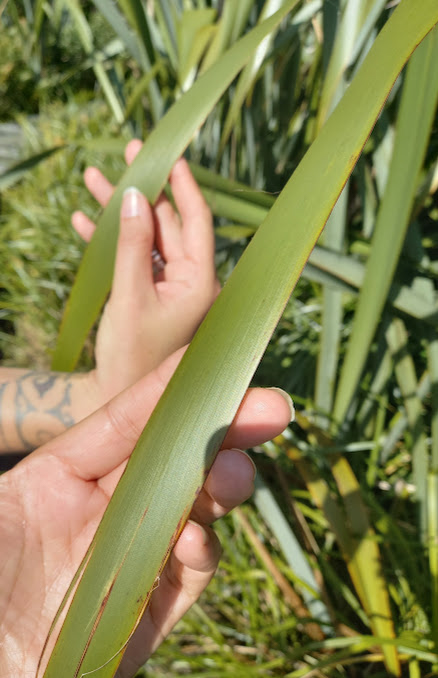
Figure 1. Lisa and Awhina’s hands above harakeke, Kapiti, December 2024

Awhina Tamarapa

This article considers the ancestral ties that bind the Māori, Tangata Whenua (Indigenous people of Aotearoa New Zealand) to an emblematic plant, named harakeke7 in Te Reo Māori (the Māori language). Through the presentation of key concepts from the Māori world, such as kaitiakitanga (guardianship, custodianship and protection) of taonga (Māori ancestral treasures) and whanaungatanga (Māori kinship ties and the art of relationships), we address the need for greater understanding, consideration and respect for Indigenous knowledge systems and practices, particularly within the museum world. Behind this lies not only our gratitude to the harakeke and its many kaitiaki (guardians) – humans, birds, insects, plants, taonga, winds, rivers, and rain – both here in New Zealand, Aotearoa and overseas – but also the importance of the ancestral connections between Tangata Whenua and harakeke. We also recognize the interconnected relationships that are fostered and sustained across generations, time, and places in alignment with the following Hūtia waiata (song), which is also a whakataukī (significant saying):8

Hūtia te rito, Hūtia te rito o te harakeke
Kei hea te kōmako e kō?
Kī mai ki ahau, he aha te mea nui?
He aha te mea nui o te ao?
Māku e kī atu, He tangata! He tangata! He tangata, hī!9

Figure 2. Korimako Tiritiri Matangi island, November 2024
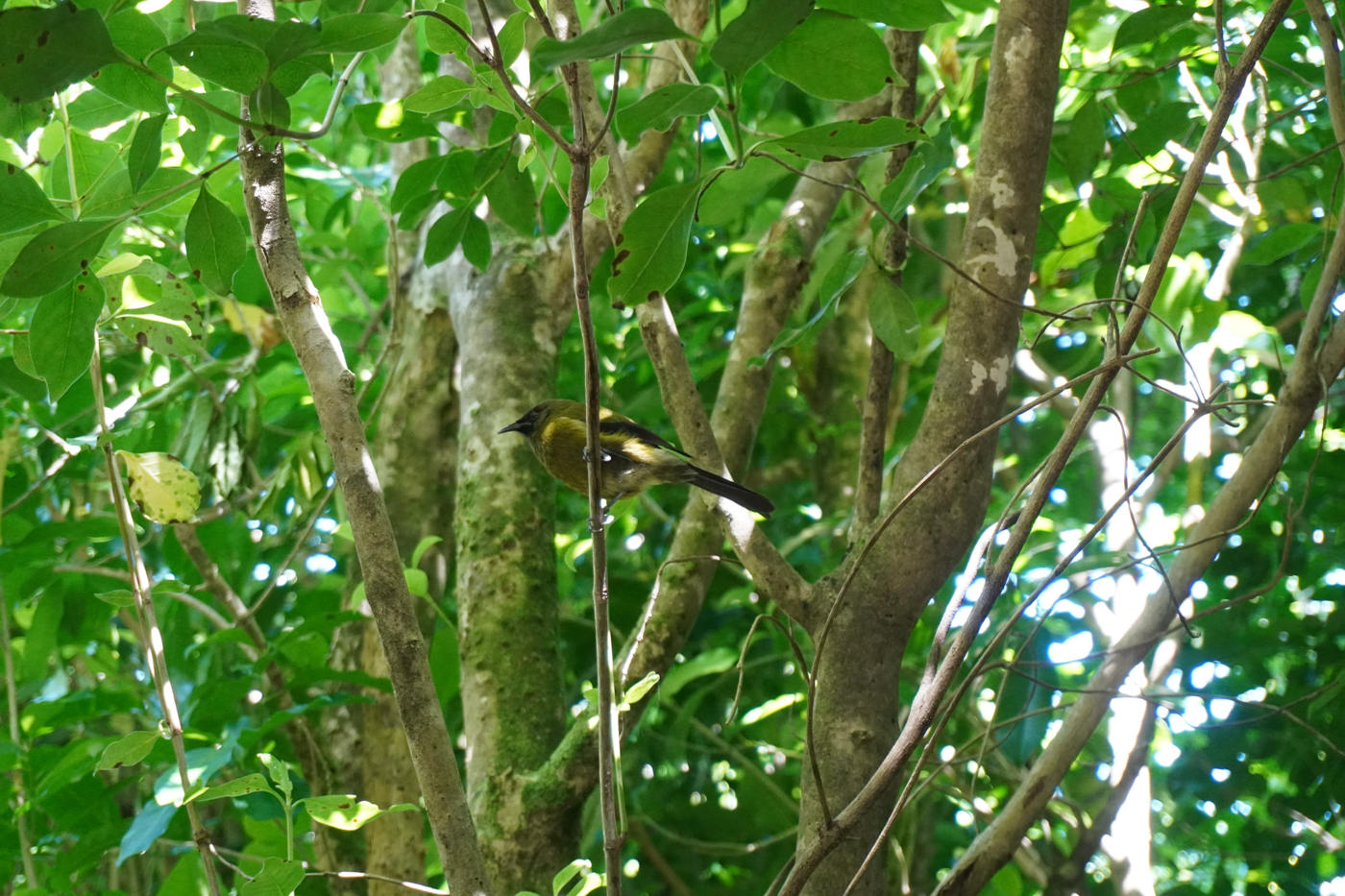
Figure 2. Korimako Tiritiri Matangi island, November 2024

Lisa Renard

Whanaungatanga (kinship, relationship) and taonga tuku iho

For generations, Tangata Whenua have nurtured deep connections with the whenua (land) and the taiao (natural world).10 Among the striking features of the whenua of Aotearoa are the beautiful, towering flax bushes, including the iconic harakeke (New Zealand flax) species unique to the land of the long white cloud. This uniqueness is reflected across Aotearoa’s natural world, which is shaped by its native fauna and flora. In addition to its famous birds, such as the kea, kiwi, and kererū, many other species of animals and plants are endemic to Aotearoa.11 This includes the harakeke (Phormium tenax, New Zealand Flax) (fig. 1) and the korimako (Anthornis melanura, Bellbird) (fig. 2), both of which are celebrated in the Hūtia waiata presented in the introduction. This song reflects not only the importance of he tangata (the people), but also underlines the fundamental connection between he tangata and other beings dwelling in Te Ao Māori (the Māori world).12 Without the contribution of the korimako, tūī, and many other birds and insects, the pollen can hardly travel, and the harakeke cannot spread and grow (fig. 3). Without the skilled yet gentle hands of the weavers, the pā harakeke (the weaver’s garden) cannot flourish. Ultimately, without the harakeke and the manu (the birds), the weavers would not be able to practice their arts.13 All are mutually dependent on one another and are whanaunga (related and fostering relationships) to one another.

Figure 3. Jim and Cathy Schuster’s Pā Harakeke, Rotoiti, December 2024
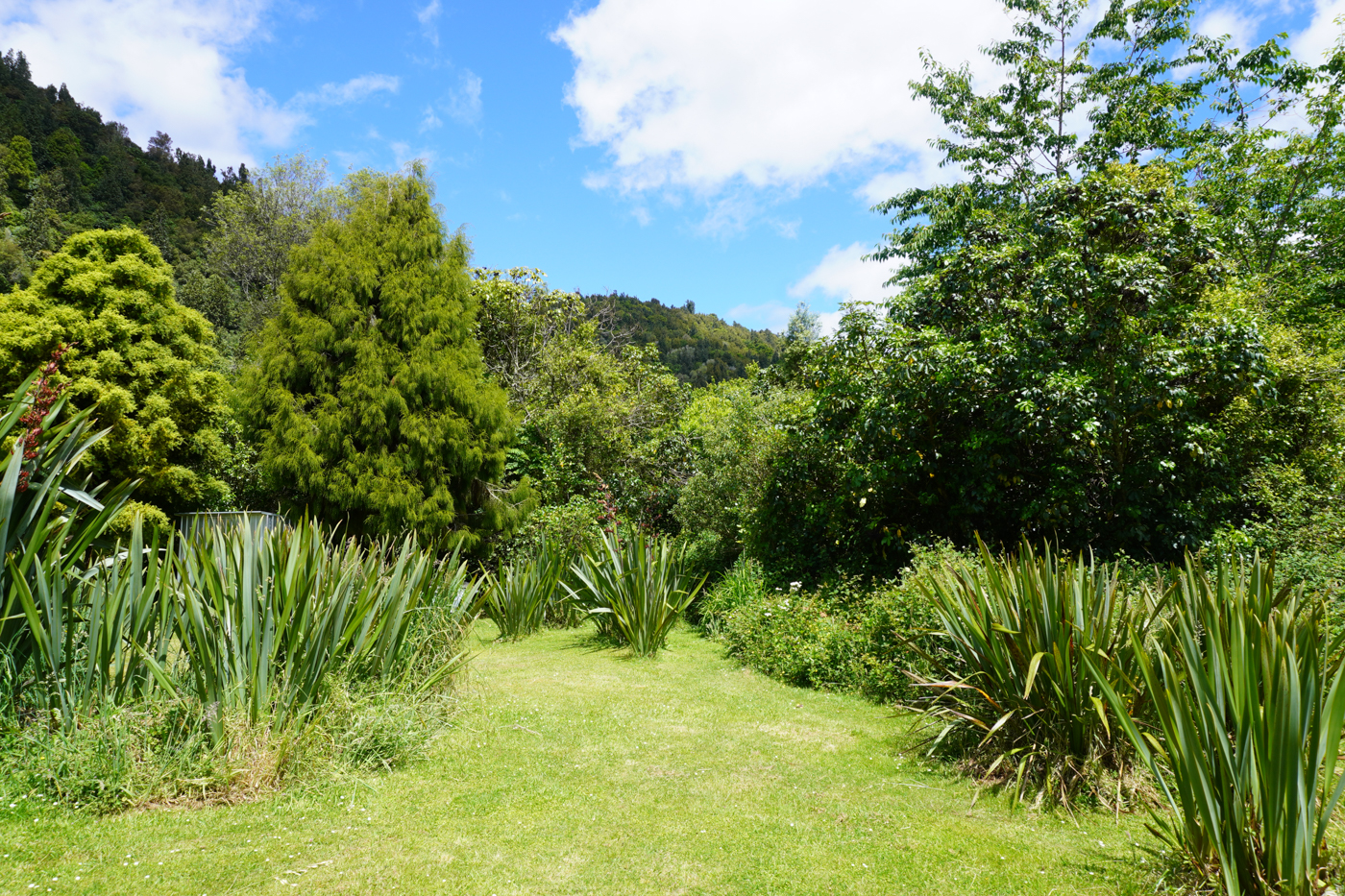
Figure 3. Jim and Cathy Schuster’s Pā Harakeke, Rotoiti, December 2024

Lisa Renard

The trajectories of harakeke, korimako, and humans are not only intertwined in everyday life, but also historically, as this connection dates back to time immemorial. In the Māori worldview, all beings – harakeke, korimako, humans, and many others – are interconnected through whakapapa (art of genealogy) and are mutually dependent on one another in various ways. They are whanaunga to one another. In other words, they are related, intertwined, and interdependent. In the case of harakeke, korimako, and humans, they share multiple common ancestors: Papatūānuku, the Earth Mother, and Ranginui, the Sky Father, and one of their sons Tane nui-a-rangi. He created the first woman, the birds, and the forest, among which the korimako and the harakeke emerged. The pūrākau (origin stories) tell that the harakeke species14 came into the world of light through the union of Pākoti (also known as Pākoki) and Tane nui-a-rangi.15 He also is at the origin of the creation of Hine-te-iwaiwa, the spiritual deity of weaving, childbirth and the cycles of the moon.16

Additionally, the emergence of the art of weaving in Te Ao Māori is closely linked to another pūrākau: the story of Niwareka and Mataora.17 Niwareka was a spirit-being from Rarohenga (the underworld) who married a mortal named Mataora. After Mataora disrespected his wife, she fled back to her people in Rarohenga. Mataora chased her and was laughed at when he arrived in Rarohenga, as his moko (Māori tattooing) was painted on his face and body, rather than chiseled into the skin. Uetapu, Niwareka’s father, a master carver and tā moko (Māori tattoo) practitioner, challenged Mataora to endure the process of having a tā moko chiseled into his skin. After meeting this challenge, Mataora was forgiven for his actions and was bestowed the knowledge of tā moko by his father-in-law. Niwareka and Mataora then returned to the upper world together. As a skilled weaver, Niwareka brought back the art of weaving and the first woven garments; Te Rangi-haupapa, a type of cloak called a pāroha (fastened at the throat) and a patterned, plaited belt named Te Ruruku o Te Rangi. “The patterns of both garments were the original designs to guide all students in the art of weaving.”18 Within Māori weaving co-exist a wide range of ancestral fiber technologies that include whatu (finger weft twining), tāniko (colored horizontal threads used in the whatu technique), whiri (braiding), raranga (plaiting), whāriki (mat weaving) tukutuku (lattice weaving), and tuitui (stitching).19

Passed down to the livings through many generations within te whare pora (the school of weaving), Māori weaving (fig. 4) is a taonga tuku iho: a revered cultural practice and treasured ancestral belonging. As such, when practiced, shared, and transmitted, it calls upon the mana (the influence, authority, prestige), the tapu (sanctity), the wairua (the ancestral presence, the spirit), the mauri (life principle), and many other ancestral qualities of multiple ancestors, connecting the weavers simultaneously to their ancestors, the whenua and the taiao.20

Figure 4. Māori weaving, Kawerau, October 2013
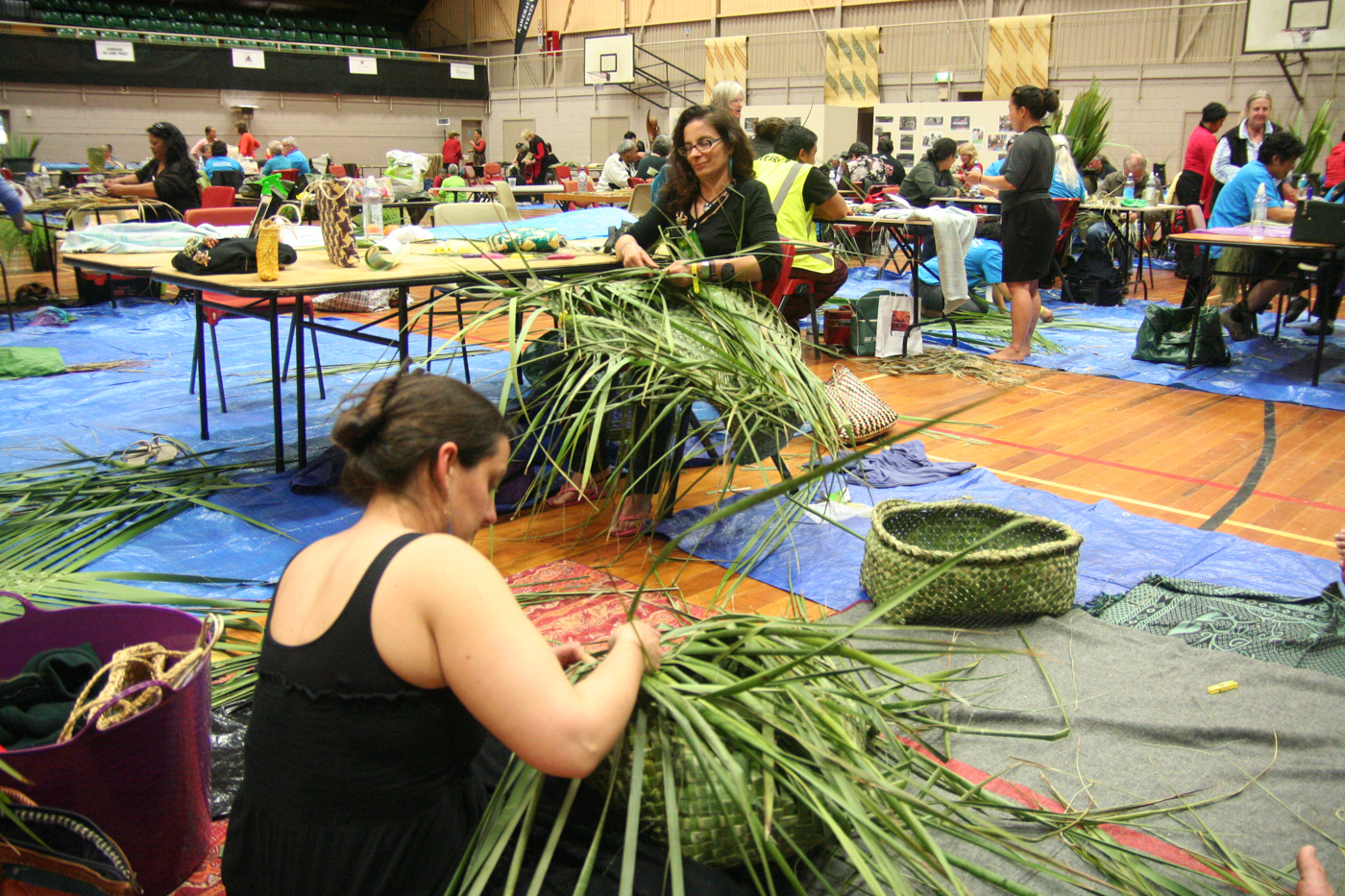
Figure 4. Māori weaving, Kawerau, October 2013

Lisa Renard

Kaitiakitanga and Responsibilities

Customarily, the disciplines of weaving have been deeply influenced by access to resources, time, skill, and purpose. As a consequence, a weaver always bears the responsibilities associated with kaitiakitanga (guardianship, custodianship), which entails caring for and nurturing the land so that the harakeke and other essential weaving resources can flourish and remain accessible. It also involves mentoring apprentices to ensure mātauranga (Māori knowledge) thrives and is passed down through generations.21

As apprentices – Lisa to Tina Wirihana, Awhina to Nanny Kath, and many others – we were primarily instructed the techniques related to harakeke and the associated practices for tending to a pā harakeke (weaver garden). Central to this mātauranga was the metaphor of the bush as a family, consisting of grandparents, parents, children, and grandchildren. The outermost leaves represent the grandparents, who envelope and protect the parents, while the parents shield the youngest leaves – the children and grandchildren – located at the center of the fan known as te rito (central shoot or baby). These three central leaves must never be cut, as they are vital to the bush growth and regeneration. Yellowed and dried leaves, often referred to as “great-grandparents,” are unsuitable for weaving, whereas the leaves referred to as the “parents” are ideal for this purpose.22 Pruning, trimming, and caring for a harakeke bush requires few tools: a cutter or thick-bladed knife. Cuts must be precise, clean, and made at the base of the bush to ensure the plants can continue to develop and provide resources for weavers year after year. Because the leaves grow in a fan-like pattern, it is essential to keep the outermost fan well maintained to access the inner layers while clearing pathways between bushes to prevent injury. Improperly cut leaves, which remain too long, can pose significant risks, including injuries to legs, forearms, face, and eyes.23

One of the key contemporary concerns regarding Māori weaving is the accessibility and sustainable use of harakeke. For many decades, weavers and activists have fought – and continue to fight – to protect native species not only from invasive species but also from resource misuse, decline of traditional practices, the pollution of land and waterways, and loss of ancestral lands.24

Among the various significant initiatives undertaken over the years, the establishment of multiple community pā harakeke in Te Wai Pounamu (South Island) and Te Ika a Māui (North Island) has been particularly vital (fig. 5). The establishment of art schools and wānanga offering classes in Māori weaving has also been of considerable importance.25 Furthermore, the Māori cultural rights claim against the Crown, called the WAI 262,26 has played a crucial role in the protection of taonga tuku iho, including the art of Māori weaving, and other issued such as intellectual property and copyright laws. Issued by six different iwi tribal representatives, in 1991, this claim challenged the New Zealand Government to address the authority and rights of Māori over the control of taonga – cultural knowledge, heritage, and custodianship of the natural environment. This claim set a precedent in that it was the first to focus on contemporary laws and policies affecting Māori cultural rights. The recommendations of the Waitangi Tribunal released in 2011, have still not been addressed by New Zealand governments.27

Figure 5. Orokonui Ecosanctuary near Dunedin, September 2023
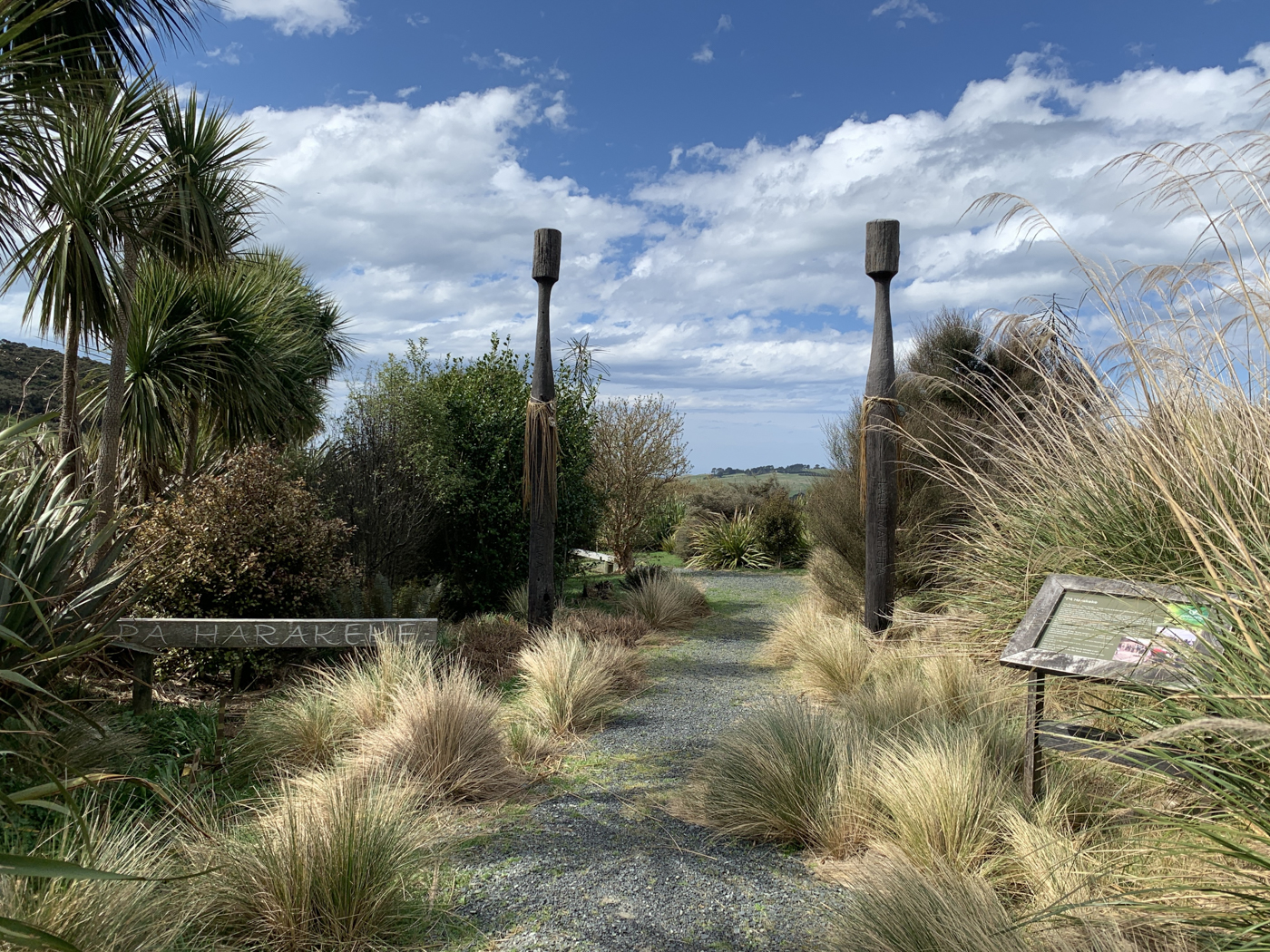
Figure 5. Orokonui Ecosanctuary near Dunedin, September 2023

Lisa Renard

Mana and Respect: The Importance of Cultural Care

To this day, one of the primary challenges faced by Māori weavers is the lack of recognition and understanding of mātauranga (Māori knowledge) as kaitiaki (caregiver, guardian). This lack of acknowledgment undermines the depth of traditional knowledge systems and practices, often marginalizing the cultural, spiritual, and environmental understandings integral to weaving (fig. 6). These practices are upheld by the mana (authority) of tohunga whatu raranga (expert weavers), whose expertise is invaluable.28

Figure 6. Harakeke at Te Rerenga Wairua, August 2023
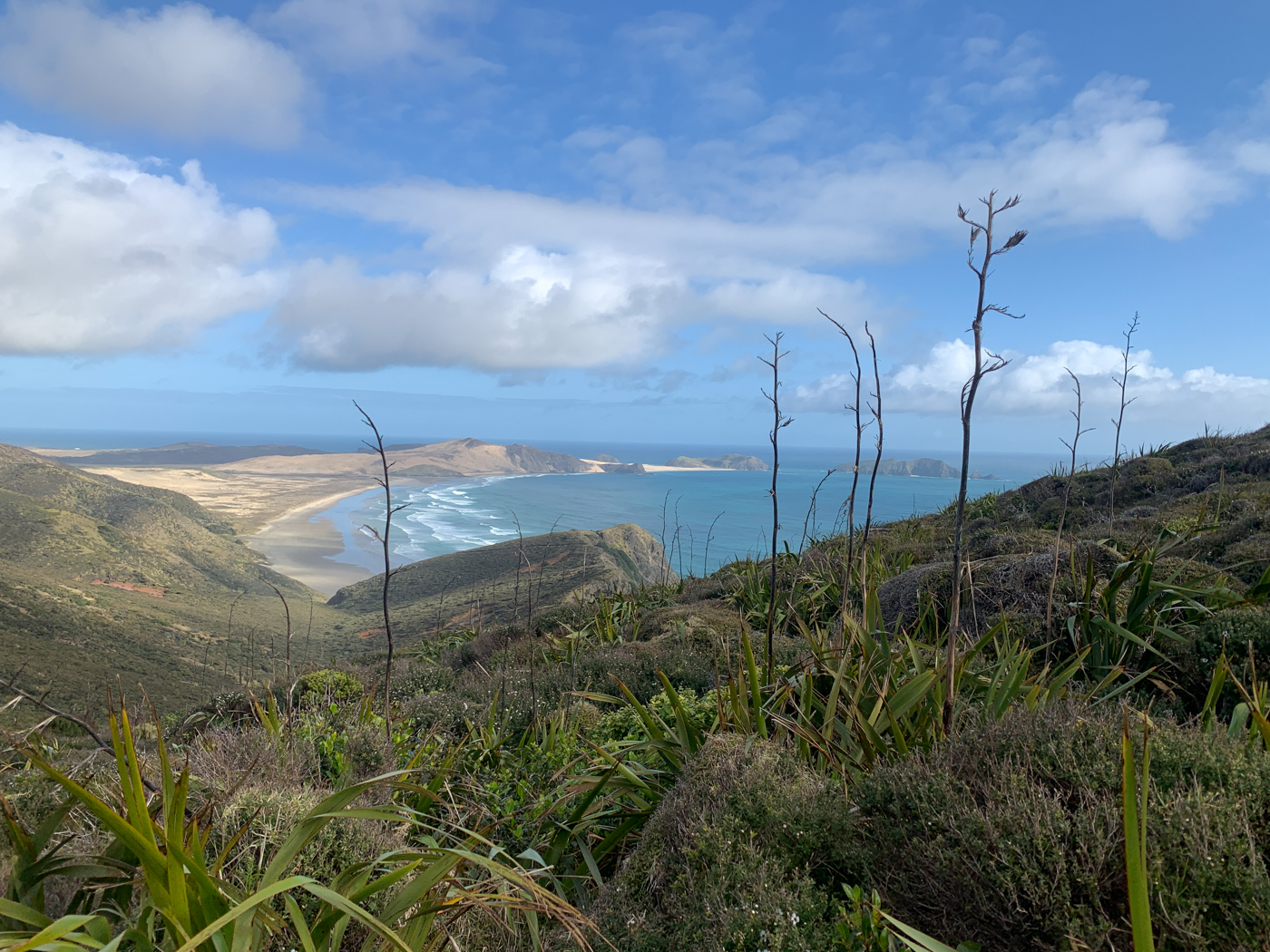
Figure 6. Harakeke at Te Rerenga Wairua, August 2023

Lisa Renard

Yet, whether in Aotearoa New Zealand or overseas, the weavers often do not receive the respect and trust they deserve. Particularly within institutions such as museums where they are frequently called upon to provide culturally appropriate practices and mātauranga to care, restore, display, or research taonga tuku iho (revered cultural practices and treasured ancestral belongings). However, they are seldom acknowledged in the long term. Their names are often forgotten, their contributions go unrecognized, and, more often than not, they are inadequately compensated for their mahi (work). In the past, within museum contexts, both of us have witnessed expert weavers being both respected and admired for their skills, but we have also seen weavers being treated with disregard and subjected to external direction on their tasks, despite being the true experts.

On another level, when developing collaborative practices with Indigenous communities regarding plant-based material culture, museums often lack cultural care. The teams underestimate the time required to build trust and develop a common language. Activities are typically planned according to rigid schedules, leaving little room for breaks, reflection, experimentation, joint discoveries, and most crucially, the reassessment of the initial project. Just as museums sometimes fail to allocate sufficient attention to the initiation of a project, and to properly welcoming their collaborators into the museum world, the final stages and conclusions of collaborative projects are regularly rushed. This often leads to outcomes that are misaligned with the tikanga (Māori custom) and fundamental protocols of Indigenous communities.29

The dismissal or misrepresentation of mātauranga and weavers not only threatens the preservation of Māori weaving but also disregards the role of Indigenous expertise in resource management, cultural sustainability and the care of taonga tuku iho. Besides, it undermines the strength of interconnected relationships between Tangata Whenua (the Indigenous people of Aotearoa New Zealand) and their environment, which as we have seen in this article are fostered and sustained across generations, time, and places. We argue that to shift museums towards decolonizing practice, the mana of Indigenous knowledge systems, practices, and experts must be restored. Moreover, cultural restoration is a form of liberation not only in a museum context but also beyond, benefiting Māori communities, other Indigenous communities, and museum professionals alike.30

Conclusion. Where will the korimako sing, if not on the harakeke?

The harakeke (New Zealand flax) and the korimako (bellbird) are endemic to Aotearoa New Zealand and have been intertwined for generations. They both hold significant relationships with the entities that make up Te Ao Māori (the Māori world): rain, waterways, wind, other birds, insects, plants, humans, taonga (treasured ancestral belongings), and more.

Within this interconnected world, the harakeke and korimako are related to other plants, birds, as well as humans and taonga, not only through a genealogical continuity and shared common ancestors, but also by inhabiting the same environment and facing similar challenges. Their past, present, and future are therefore intertwined and interdependent. Humans, in particular, hold a responsibility toward the world around them and can act as kaitiaki (custodians, guardians) when called upon.

This is exemplified by Māori weavers, who act as kaitiaki (custodians) and for whom the harakeke and korimako are particularly significant. Māori weavers hold the mauri (life force) of weaving, which means they not only care and nurture the land to ensure harakeke and other essential weaving resources can thrive and remain accessible but also advocate for sustainable practices. They work to share and transmit the mātauranga (Māori knowledge) associated with plants and birds, both within Aotearoa and internationally, in various contexts and especially in the museum world.

We hope this article has provided insight into Te Ao Māori (the Māori world) on two fundamental concepts demonstrated through the practice of Māori weaving; kaitiakitanga (custodianship) and whanaungatanga (kinship, relationships). The proverb “Hutia te rito o te harakeke” describes the interdependencies of the natural world. It also expresses the importance of family, and the obligation of humanity to nurture all life.

We demonstrate that it is possible to learn and understand intercultural respect through in-depth immersion and a willingness to be led by Indigenous principles, values, and practices. Museums, in particular, have an obligation to release control of cultural heritage that belongs to marginalized peoples in order to build new relationships based on trust and respect – so that all of us may sing.

Bibliography

Primary Sources

Archives

“Ko Aotearoa Tēnei: Report on the Wai 262 Claim Released,” The Waitangi Tribunal, 2 July 2011, online: https://www.waitangitribunal.govt.nz/en/news/ko-aotearoa-tenei-report-on-the-wai-262-claim-released [accessed 06/02/2026].

Website

NGAROTO Meri, “Hūtia,” Menza, online: https://menza.co.nz/waiata-hutia-by-hirini-melbourne/ [accessed 26/03/2026].

Works Cited

ADCOCK Fleur, “Diluted Control: A Critical Analysis of the Wai 262 Report on Māori Traditional Knowledge and Culture,” in MATTHEW Rimmer (ed.), Indigenous Intellectual Property: A Handbook of Contemporary Research, Northampton, Edward Elgar Publishing, 2015, pp. 497‑516.

BIDOIS Vanessa, TAYLOR Cherie and BARGH Robyn, Māori Weaving: The Art of Creating Māori Textiles, Huia New Zealand Maori Arts & Crafts Institute, Nga Kete Tuku Iho, 2015.

BLACKMAN Margery, “Whatu – The Enclosing Threads,” in TAMARAPA Awhina (ed.), Whatu kākahu, Wellington, Te Papa Press, 2011, pp. 76‑93.

BROWN Deidre, ELLIS Ngarino and MANE-WHEOKI Jonathan, Toi Te Mana: An Indigenous History of Māori Art, Chicago, University of Chicago Press, 2025.

BUCK HIROA Sir Peter Henry Te Rangi, The Coming of the Maori, Auckland, Whitcombe and Tombs Ltd. / Maori Purposes Fund Board, 1958.

BULLER Sir Walter Lawry, A History of the Birds of New Zealand, London, John Van Voorst, 1873.

CROWE Andrew, Which New Zealand Bird? A Simple Step-By-Step Guide to the Identification of New Zealand’s Native & Introduced Birds, Auckland, Penguin, 2001.

ELLIS Ngarino, “Restoring Spirits: The Auckland Museum’s Maori Collection,” Art New Zealand, vol. 97, 2000, pp. 92‑94. 

ELLIS Ngarino, MACDONALD Eliza and ALMEIDA Eleanor, “Taonga in a Digital World: Māori Adornment and the Possibilities of Reconnection,” Journal of the Royal Society of New Zealand, vol. 53, No. 3, 2023, pp. 362‑380, DOI: https://doi.org/10.1080/03036758.2022.2090967.

GILLAM Jenny and HANSEN Eugene, Te manu huna a Tāne, Auckland, Massey University Press, 2020.

HAAMI Bradford and ROBERTS Mere, “La généalogie comme taxinomie,” Revue internationale des sciences sociales, No. 173, 2002, p. 443‑452, DOI: https://doi.org/10.3917/riss.173.0443 [restricted access, accessed 06/02/2026].

HENARE SALMOND Amiria, “Taonga Maori: Encompassing Rights and Property in New Zealand,” in HENARE SALMOND Amiria, HOLBRAAD Martin, and WASTELL Sari (eds.), Thinking Through Things: Theorising Artefacts Ethnographically, London, Routledge, 2007, pp. 47‑67.

LANDER Maureen, “Te Ao Tawhito/Te Ao Hou: Entwined Threads of Tradition and Innovation,” in TAMARAPA Awhina (ed.), Whatu kākahu, Wellington, Te Papa Press, 2011, p. 61‑73.

Lawless Matekino, WIRIHANA Christina Hurihia, PAHEWA Edna, TURI-TIAKITAI John and CHITHAM Karl (eds.), Whiria: Weaving Global Connections, Rotorua, Rotorua Museum Te Whare Taonga o Te Arawa, 2015.

LEHNEBACH Carlos and MEUDT Heidi, Native Plants of Aotearoa, Wellington, Te Papa Press, 2022.

MCCARTHY Conal, Te Papa: Reinventing New Zealand’s National Museum, 1998‑2018, Wellington, Te Papa Press, 2018.

MCCARTHY Conal, Museums and Māori: Heritage Professionals, Indigenous Collections, Current Practice, Wellington, Te Papa Press, 2011.

MCKENZIE Mina, “A Challenge to Museums – Keeping the Taonga Warm,” Zeitschrift für Ethnologie, vol. 118, No. 1, 1993, pp. 79‑85.

MCRAE-TAREI Jacqueline, The Sustainability of Tikanga Practice and Values Within Toi Rāranga, Auckland, Auckland University of Technology, 2013.

MEAD Sidney Hirini Moko, Traditional Maori Clothing: A Study of Technological and Functional Change, Wellington, Reed, 1969.

MEAD Sidney Hirini Moko, Tikanga Māori: Living by Māori values, Wellington, Huia, 2003.

NGATA Apirana, “Maori Arts and Crafts,” in SUTHERLAND Ivan Lorin George (ed.), The Maori People Today: A General Survey, Wellington, New Zealand Institute of International Affairs, 1940, pp. 307‑335.

PENDERGRAST Mick, Maori Cloaks / Kakahu, Auckland, David Bateman Ltd., 1997.

PUKETAPU-HETET Erenora, Maori Weaving with Erenora Puketapu-Hetet, Auckland, Pitman, 1989.

RENARD Lisa, L’art de tisser des liens chez les Maori de Nouvelle-Zélande Aotearoa : analyse des relations entre les vivants et leurs ancêtres par l’intermédiaire des manteaux māori (kākahu) en qualité de trésors ancestraux (taonga), PhD in Social and Cultural Anthropology, Université de Strasbourg, 2020, http://www.theses.fr/2020STRAG013 [accessed 06/02/2026].

RENARD Lisa, “Deux manteaux māori à bordures géométriques (kaitaka) de Nouvelle-Zélande Aotearoa du xixe siècle au musée du Quai Branly – Jacques Chirac,” Journal de la Société des océanistes, No. 152, Musées et collections océaniennes en France, 2021, pp. 137‑154, DOI: https://doi.org/10.4000/jso.12683.

RENARD Lisa, “La Terre mère (Papatūānuku) et ses filles,” Cahiers du Genre, vol. 74, No. 1, 2023, pp. 223‑257, DOI: https://doi.org/10.3917/cdge.074.0223 [restricted access, accessed 06/02/2026].

RENARD Lisa, “Following Te Rā in Aotearoa: from Te wai pounamu to Te ika a Maui,” Context, vol. 45, 2024, pp. 100-110.

RENARD Lisa, “Bien plus que des “œuvres d’art”, des taonga,” in SAGNES Sylvie (ed.), Entre arts et patrimoines, Toulouse, Presses universitaires du Midi, 2025.

RENARD Lisa and RISJETERRE Quentyn, Rencontres Désantipodes, Disantipodean Encounters, Strasbourg, En-Deçà-D’ici, 2025.

RENARD Lisa and TAMARAPA Awhina, “Sans la pousse de harakeke, où chantera le korimako ? Kaitiakitanga (sauvegarde, tutelle et protection) dans le monde māori,” Recherches & éducations, No. 30‑31, Nouveaux cosmos ?, 2026, DOI: https://doi.org/10.4000/14l97.

SALESA Damon, An Indigenous Ocean: Pacific Essays, Wellington, Bridget Williams Books, 2023.

SALMOND Anne, “Where Will the Bellbird Sing? Te Tiriti o Waitangi and ‘Race’,” Policy Quarterly, vol. 18, No. 4, 2022, pp. 3‑25, DOI: https://doi.org/10.26686/pq.v18i4.8019.

SALMOND Anne, Two Worlds: First Meetings between Maori and Europeans, 1642‑1772, Auckland, Viking, 1991.

SCHEELE Sue, Harakeke: The Rene Orchiston Collection, 3rd ed., Canterbury, Manaaki Whenua Press, 2005, online: https://www.landcareresearch.co.nz/tools-and-resources/collections/new-zealand-flax-collections/rene-orchiston-collection-catalogue [accessed 06/02/2026].

SMITH Huhana, “Mana Taonga and the Micro World of Intricate Research and Findings Around Taonga Māori at the Museum of New Zealand Te Papa Tongarewa,” Sites: New Series, vol. 6, No. 2, 2009, pp. 7‑31.

SOMERVILLE Alice Te Punga, Always Italicise: How to Write While Colonised, Auckland, Auckland University Press, 2022.

SZABO Michael, Native Birds of Aotearoa, Wellington, Te Papa Press, 2022.

TAMARAPA Awhina (ed.), Whatu kākahu, Wellington, Te Papa Press, 2019.

TAMARAPA Awhina, Whatua Mai te Aho: The Role of Museums in the Maintenance of Māori Weaving As a Living Cultural Practice, PhD Thesis in Museum and Heritage Studies, Victoria University of Wellington, Te Herenga Waka, 2024, DOI: https://doi.org/10.26686/wgtn.24938499.

TAMARAPA Awhina, TE KANAWA Rangi and PERANTEAU Anne, “Kahu Ora,” in BROOKS Mary and EASTOP Dinah (eds.), Refashioning and Redress: Conserving and Displaying Dress, Los Angeles, Getty Publications, 2017, pp. 65‑78.

TAPSELL Paul, Kāinga: People, Land, Belonging, Wellington, Bridget Williams Books, 2023.

TAPSELL Paul, Maori Treasures of New Zealand: Ko Tawa, Auckland, David Bateman Ltd., 2006.

TE ARA WANANGA, Te Taiao: Maori and the Natural World, Auckland, David Bateman Ltd., 2010.

TE KANAWA Diggeress, Weaving a kakahu, Puwaka ki te Ao Trust, 2006.

TE KANAWA Kahutoi and TURI-TIAKITAI John, “Te Mana o te Kakahu: The prestige of Cloaks,” in TAMARAPA Awhina (ed.), Whatu Kakahu, Wellington, Te Papa Press, 2011, pp. 20‑31.

TOI TE RITO Maihi, “Nga Aho: Threads that Join,” in TAMARAPA Awhina (ed.), Whatu kākahu, Wellington, Te Papa Press, 2011, pp. 33‑43.

WALLACE Patricia, Traditional Maori Dress: Rediscovering Forgotten Elements of Pre-1820 Practice, PhD Thesis in Māori, Christchurch, University of Canterbury, 2002.

Notes

1 Damon Salesa, An Indigenous Ocean: Pacific Essays, Wellington, Bridget Williams Books, 2023. Return to text

2 Bradford Haami and Mere Roberts, “La généalogie comme taxinomie,” Revue internationale des sciences sociales, No. 173, 2002, pp. 443‑452; Lisa Renard, “La Terre mère (Papatūānuku) et ses filles,” Cahiers du Genre, vol. 74, No. 1, 2023, pp. 223‑257; Anne Salmond, Two Worlds: First Meetings Between Maori and Europeans, 1642‑1772, Auckland, Viking, 1991. Return to text

3 Taonga in its short form. Return to text

4 Deidre Brown et al., Toi Te Mana: An Indigenous History of Māori Art, Chicago, University of Chicago Press, 2025; Sidney Hirini Moko Mead, Tikanga Māori: Living by Māori Values, Wellington, Huia, 2003; Apirana Ngata, “Maori Arts and Crafts,” in Ivan Lorin George Sutherland (ed.), The Maori People Today: A General Survey, Wellington, New Zealand Institute of International Affairs, 1940, pp. 307‑335; Lisa Renard, L’art de tisser des liens chez les Maori de Nouvelle-Zélande Aotearoa : analyse des relations entre les vivants et leurs ancêtres par l’intermédiaire des manteaux māori (kākahu) en qualité de trésors ancestraux (taonga), PhD Thesis in Social and Cultural Anthropology, Université de Strasbourg, 2020; Awhina Tamarapa, Whatua Mai te Aho: The Role of Museums in the Maintenance of Māori Weaving As a Living Cultural Practice, PhD Thesis in Museum and Heritage Studies, Victoria University of Wellington, Te Herenga Waka, 2024; Paul Tapsell, Kāinga: People, Land, Belonging, Wellington, Bridget Williams Books, 2023; id., Maori Treasures of New Zealand: Ko Tawa, Auckland, David Bateman Ltd., 2006. Return to text

5 Ngarino Ellis, “Restoring Spirits: The Auckland Museum’s Maori Collection,” Art New Zealand, vol. 97, 2000, pp. 92‑94; Amiria Henare Salmond (ed.), “Taonga Maori: Encompassing Rights and Property in New Zealand,” in Amiria Henare Salmond, Martin Holbraad, and Sari Wastell (eds.), Thinking Through Things: Theorising Artefacts Ethnographically, London, Routledge, 2006, p. 47‑67; Maureen Lander, “Te Ao Tawhito/Te Ao Hou: Entwined Threads of Tradition and Innovation,” in Awhina Tamarapa Awhina (ed.), Whatu kākahu, Wellington, Wellington, Te Papa Press, 2011, pp. 61‑73; Conal McCarthy, Museums and Māori: Heritage Professionals, Indigenous Collections, Current Practice, Wellington, Te Papa Press, 2011; Awhina Tamarapa (ed.), Whatu kākahu, Wellington, Te Papa Press, 2019. Return to text

6 Ngarino Ellis et al., “Taonga in a Digital World: Māori Adornment and the Possibilities of Reconnection,” Journal of the Royal Society of New Zealand, vol. 53, No. 3, 2023, pp. 362‑380; Conal McCarthy, Te Papa: Reinventing New Zealand’s National Museum, 1998‑2018, Wellington, Te Papa Press, 2018; Mina McKenzie, “A challenge to Museums – Keeping the taonga Warm,” Zeitschrift für Ethnologie, vol. 118, No. 1, 1993, pp. 79‑85; Huhana Smith, “Mana Taonga and the Micro World of Intricate Research and Findings Around Taonga Māori at the Museum of New Zealand Te Papa Tongarewa,” Sites: New Series, vol. 6, No. 2, pp. 7‑31; Awhina Tamarapa et al., “Kahu Ora,” in Mary Brooks and Dinah Eastop (eds.), Refashioning and Redress: Conserving and Displaying Dress, Los Angeles, Getty Publications, 2017, pp. 65‑78. Return to text

7 Also known as New Zealand Flax or Phormium tenax. See Sidney Hirini Moko Mead, Traditional Maori Clothing: A Study of Technological and Functional Change, Wellington, Reed, 1969; Mick Pendergrast, Maori Cloaks / Kakahu, Auckland, David Bateman Ltd., 1997; Erenora Puketapu-Hetet, Maori weaving with Erenora Puketapu-Hetet, Auckland, Pitman, 1989; Sue Scheele, Harakeke: The Rene Orchiston Collection, 3rd ed., Canterbury, Manaaki Whenua Press, 2005. Return to text

8 The title of our article is also an homage to the work of Dame Anne Salmond and refers to one of her latest Discussion Paper for the Law Commission: Anne Salmond, “Where Will the Bellbird Sing? Te Tiriti o Waitangi and ‘Race’,” Policy Quarterly, vol. 18, No. 4, 2022, pp. 3‑25. It aligns with our 2024‑2025 collective engagement with Toitū Te Tiriti, calling on the New Zealand government to honor and help it endure for the generations to come. For more details, see: https://toitutetiriti.co.nz/ [accessed 06/02/2026]. Return to text

9 Meri Ngaroto, “Listen to our Waiata / Welcome Song ‘Hūtia’,” Menza: “Pull out the shoot, Pull out the shoot of the flax bush / Where will the bellbird sing? / Say to me What is the greatest thing? / What is the greatest thing in this world? / I will say The people! The people! The people!” (Menza.co.nz translation). Return to text

10 Paul Tapsell, Kāinga. Return to text

11 Sir Walter Lawry Buller, A History of the Birds of New Zealand, London, John Van Voorst, 1873; Andrew Crowe, Which New Zealand Bird? A Simple Step-By-Step Guide to the Identification of New Zealand’s Native & Introduced Birds, Auckland, Penguin, 2001; Carlos Lehnebach and Heidi Meudt, Native Plants of Aotearoa, Wellington, Te Papa Press, 2022; Michael Szabo, Native Birds of Aotearoa, Wellington, Te Papa Press, 2022. Return to text

12 Jenny Gillam and Eugene Hansen, Te manu huna a Tāne, Auckland, Massey University Press, 2020; Te Ara Wananga, Te Taiao: Maori and the Natural World, Auckland, David Bateman Ltd., 2010. Return to text

13 Matekino Lawless et al. (eds.), Whiria: Weaving Global Connections, Rotorua, Rotorua Museum Te Whare Taonga o Te Arawa, 2015; Kahutoi Te Kanawa and John Turi-Tiakitai, “Te Mana o te Kakahu: The prestige of Cloaks,” in Awhina Tamarapa (ed.), Whatu Kakahu, Wellington, Te Papa Press, 2011, pp. 20‑31. Return to text

14 According to the Orchiston collection, the harakeke family comprises more than 60 species (Sue Scheele, Harakeke). Return to text

15 Vanessa Bidois et al., Maori weaving: The art of Creating Māori Textiles, Huia New Zealand Maori Arts & Crafts Institute, Nga Kete Tuku Iho, 2015, p. 10; Sir Peter Henry Te Rangi Buck Hiroa, The Coming of the Maori, Auckland, Whitcombe and Tombs Ltd. / Maori Purposes Fund Board, 1958, p. 450; Jacqueline McRae-Tarei, The Sustainability of Tikanga Practice and Values Within Toi Rāranga, Auckland, Auckland University of Technology, 2013, p. 7; Lisa Renard, L’art de tisser des liens, pp. 57‑258. Return to text

16 Awhina Tamarapa, Whatua Mai te Aho, pp. 33‑34. Return to text

17 Lisa Renard, L’art de tisser des liens, pp. 252‑254; Awhina Tamarapa, Whatua Mai te Aho, p. 34. Return to text

18 Ibid. Return to text

19 Sidney Hirini Moko Mead, Traditional Maori Clothing; Mick Pendergrast, Maori Cloaks / Kakahu; Erenora Puketapu-Hetet, Maori Weaving; AwhinaTamarapa, Whatu kākahu. Return to text

20 Margery Blackman, “Whatu – The Enclosing Threads,” in Awhina Tamarapa (ed.), Whatu kākahu, Wellington, Te Papa Press, 2011, pp. 76‑93; Lisa Renard, L’art de tisser des liens; Awhina Tamarapa, Whatua Mai te Aho; Diggeress Te Kanawa, Weaving a kakahu, Puwaka ki te Ao Trust, 2006; Patricia Wallace, Traditional Maori Dress: Rediscovering Forgotten Elements of Pre-1820 Practice, PhD Thesis in Māori, Christchurch, University of Canterbury, 2002. Return to text

21 Sidney Hirini Moko Mead, Traditional Maori Clothing; Awhina Tamarapa, Whatu kākahu. Return to text

22 Maihi Toi Te Rito, “Nga Aho: Threads that Join,” in Awhina Tamarapa (ed.), Whatu kākahu, Wellington, Te Papa Press, 2011, p. 34; Lisa Renard, L’art de tisser des liens, pp. 264‑269; Tamarapa, Whatua Mai te Aho, p. 60. Return to text

23 Matekino Lawless et al., Whiria; Lisa Renard, « Deux manteaux māori à bordures géométriques (kaitaka) de Nouvelle-Zélande Aotearoa du xixe siècle au musée du Quai Branly – Jacques Chirac », Journal de la Société des océanistes, No. 152, Musées et collections océaniennes en France, 2021, pp. 137‑154. Return to text

24 Lisa Renard and Quentyn Risjeterre, Rencontres Désantipodes, Disantipodean Encounters, Strasbourg, En-Deçà-D’ici, 2025; Paul Tapsell, Kāinga: People, Land, Belonging; Awhina Tamarapa, Whatua Mai te Aho. Return to text

25 Apirana Ngata, “Maori Arts and Crafts,” pp. 307‑335; Lisa Renard, « Bien plus que des “œuvres d’art”, des taonga », in Sylvie Sagnes (ed.), Entre arts et patrimoines, Toulouse, Presses universitaires du Midi, 2025. Return to text

26 The Treaty of Waitangi Tribunal Claim number 262 Flora and Fauna Claim. See https://www.wai262.nz/the-claim-itself [accessed 06/02/2026] and https://ourlandandwater.nz/news/history-and-impacts-of-wai-262/ [accessed 06/02/2026]. Return to text

27 Fleur Adcock, “Diluted Control: A Critical Analysis of the Wai 262 Report on Māori Traditional Knowledge and Culture,” in Matthew Rimmer (ed.), Indigenous Intellectual Property, Northampton, Edward Elgar Publishing, 2015, p. 497‑516; Awhina Tamarapa, Whatua Mai te Aho, p. 48; “Ko Aotearoa Tēnei: Report on the Wai 262 Claim Released,” The Waitangi Tribunal, 2 July 2011. Return to text

28 Toi te Rito Maihi, “Nga Aho”; Sidney Hirini Moko Mead, Tikanga Māori; Lisa Renard, L’art de tisser des liens; Lisa Renard, “Following Te Rā in Aotearoa: from Te wai pounamu to Te ika a Maui,” Context, vol. 45, 2024; Awhina Tamarapa, Whatu kākahu; Kahutoi Te Kanawa and John Turi-Tiakitai, “Te Mana o te Kakahu,” pp. 20‑31. Return to text

29 Sidney Hirini Moko Mead, Tikanga Māori; Conal McCarthy, Museums and Māori; Mina McKenzie, “A Challenge to Museums”; Lisa Renard and Quentyn Risjeterre, Rencontres désantipodes; Awhina Tamarapa, Whatua Mai te Aho. Return to text

30 Toi te Rito Maihi, “Nga Aho”, p. 43; Awhina Tamarapa, Whatua Mai te Aho, pp. 59‑60. Return to text

Illustrations

References

Electronic reference

Lisa Renard and Awhina Tamarapa, « Where Will the Bellbird Sing, if Not on the Harakeke? Kaitiakitanga (Guardianship, Custodianship, and Protection) in Te Ao Māori », Textures [Online], 30 | 2026, Online since 22 avril 2026, connection on 26 avril 2026. URL : https://publications-prairial.fr/textures/index.php?id=1357

Authors

Lisa Renard

Researcher Affiliated with the laboratoire interdisciplinaire en études culturelles (LinCS) CNRS-Université de Strasbourg, France, and Adjunct Research Associate at the Stout Research Centre, Museum and Heritage Studies, Victoria University of Wellington, Aotearoa New Zealand

Awhina Tamarapa

Postdoctoral fellow at the Stout Research Centre, Museum and Heritage Studies, Victoria, University of Wellington, Aotearoa New Zealand

Copyright

CC BY 4.0